- Article 3, Convention on the Rights of the Child (CRC)
Children and youths are not spared from prosecution and harassment as a result of their exercise of freedom of expression and peaceful assembly. Since the Free Youth Movement in 2020, which was primarily led by youths and student activists, approximately 286 children have been prosecuted under various repressive laws.
Since the youth-led pro-democracy movement swept Thailand in July 2020, almost 2,000 people have been prosecuted under various repressive laws for exercising their right to freedom of expression and peaceful assembly
This number includes...
Section 112
(lèse-majesté)
Section 116
(lèse-majesté)
Emergency Decree
Public Assembly Act
Computer Crimes Act
Are still involved in
Age:
16 (at the time of the alleged incident)
Charge:
Section 112 (lèse-majesté) of the Criminal Code; Violation of the Emergency Decree on Public Administration in Emergency Situations, B.E. 2548 (2005)
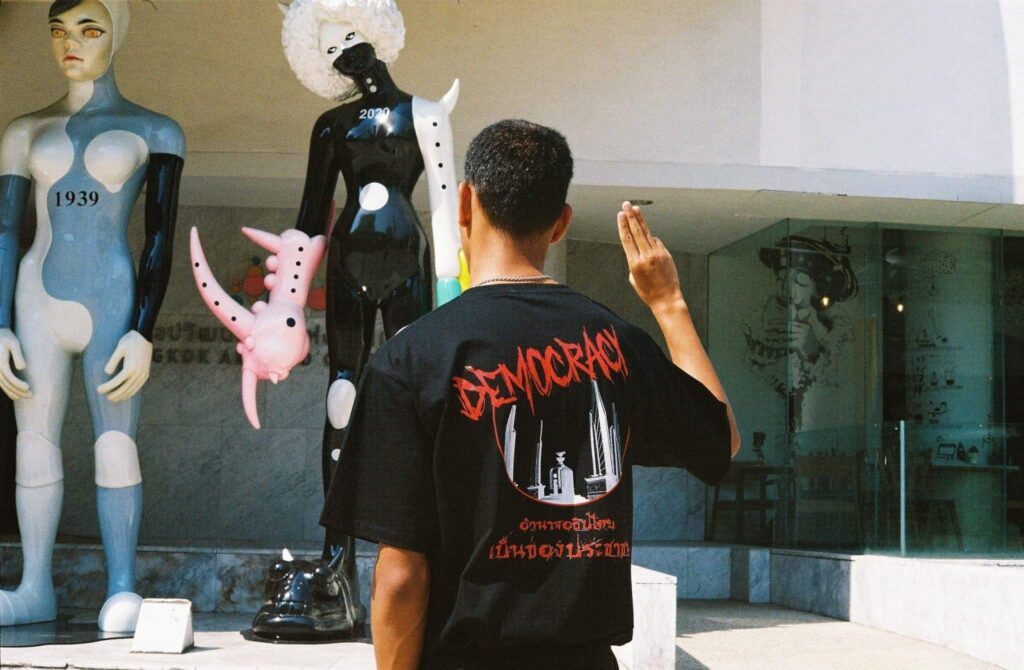
Wearing a crop top at the “People’s Runway” protest.
Convicted on all charges. The Court sentenced him to 1 year and 6 months in prison under Section 112 (reduced from 3 years due to his juvenile status), and fined 6,000 baht under the Emergency Decree. Due to his valuable testimony, the sentence was further reduced to 12 months imprisonment and a 4,000 baht fine, with the prison term suspended for 2 years. He is required to report to a probation officer quarterly during the suspension.
Age:
12 (at the time of the alleged incident)
Charge:
Violation of the Emergency Decree on Public Administration in Emergency Situations, B.E. 2548 (2005)
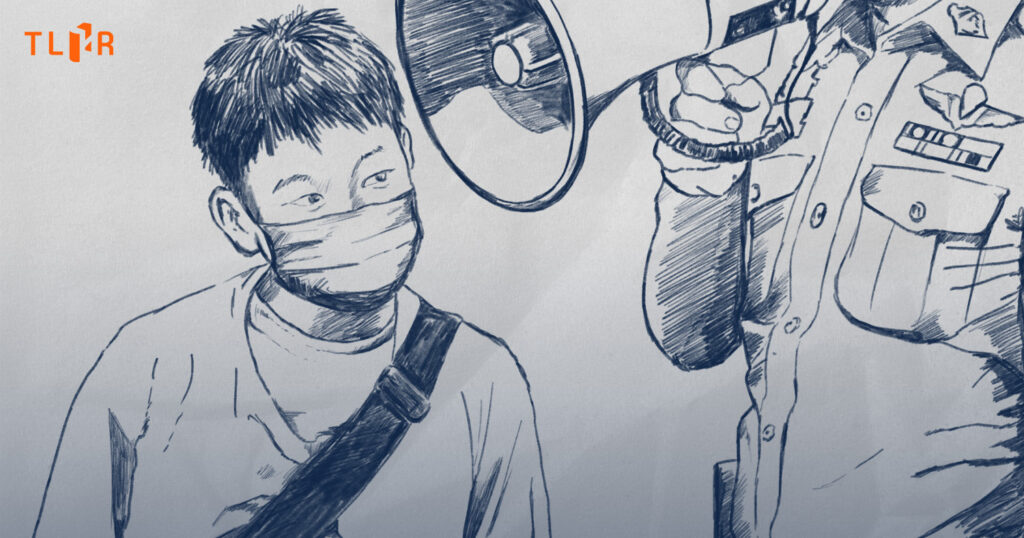
Riding a bicycle to observe a protest
Convicted under the Emergency Decree. However, due to this age, the Court did not impose punishment, instead issuing a reprimand (under Section 74(1)) of the Criminal Code.
Age:
17 (at the time of the alleged incident)
Charge:
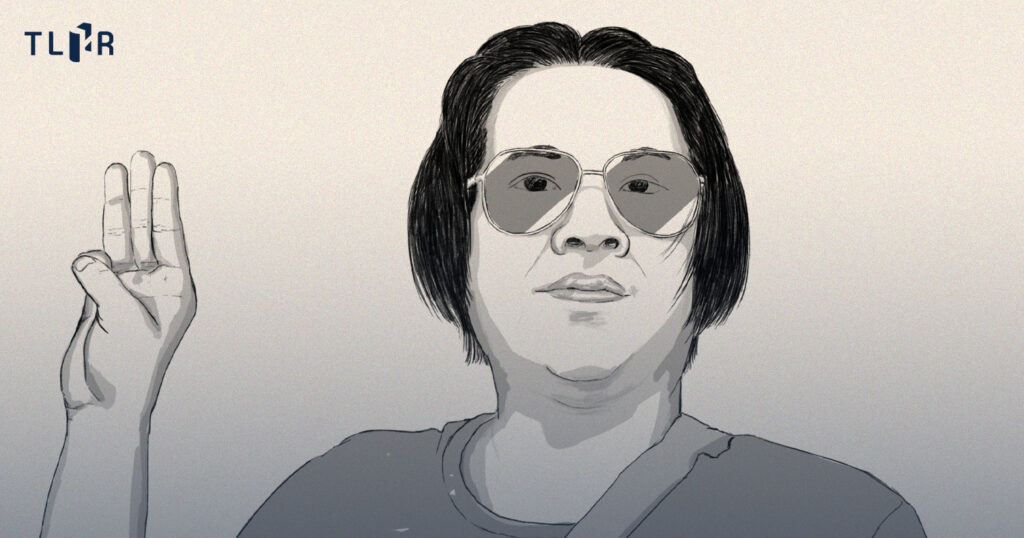
Section 112 (lèse-majesté) of the Criminal Code
Wearing of crop-top and doing the three-finger salute at a peaceful public assembly
The Court originally sentenced Beam to three years in prison under the lèse-majesté law but reduced the sentence by half, to one year and six months, due to his juvenile status. In lieu of imprisonment, the sentence was converted into a mandatory training program at the Bangkok Juvenile Training Center, lasting a minimum of one year and up to two years, and requiring the completion of three vocational courses along with regular academic studies. Beam was released on bail set at 35,000 THB.
Age:
17 (at the time of the alleged incident)
Charge:
Section 112 (lèse-majesté) of the Criminal Code
Although Petch didn’t actively take part in the protest activities, the Court ruled that simply staying at the event the entire time showed that he supported what others were doing.
The Court originally sentenced Petch to three years in prison under the lèse-majesté law but reduced the sentence by half, to one year and six months, due to their juvenile status. In lieu of imprisonment, the sentence was converted into a mandatory training program at the Bangkok Juvenile Training Center, lasting a minimum of one year and up to two years, and requiring the completion of three vocational courses along with regular academic studies. Petch was released on bail set at 35,000 THB.
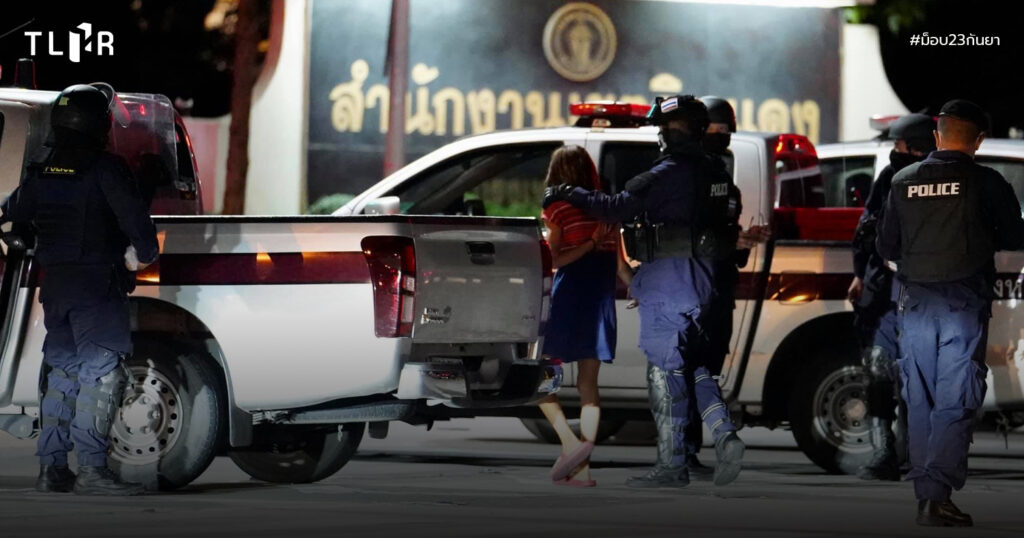
In Thailand, children exercising their rights to freedom of expression and peaceful assembly have faced more than prosecution under laws with harsh sentences such as lèse-majesté and sedition. Authorities have used excessive force during protests, including tear gas, rubber bullets, and cable ties.
Children charged with lèse-majesté are often held in pre-trial detention or placed in diversion programs. Since November 2020, four have been convicted, receiving suspended sentences or orders to attend juvenile centers. One remains in detention for allegedly throwing dog food at a royal portrait while underage.

Thailand’s child justice system offers diversion programs, but these “special measures” face significant challenges. Only children who show “remorse” can access diversion, with failure to plead guilty seen as lack of remorse. Many children report feeling pressured to plead guilty to enter diversion. Contrary to UN guidance, confessions made to join diversion can be used against them later.
Some diversion activities also disregard children’s best interests. For example, one child was required to participate in a prostration ritual that made him uncomfortable; his refusal was recorded negatively.