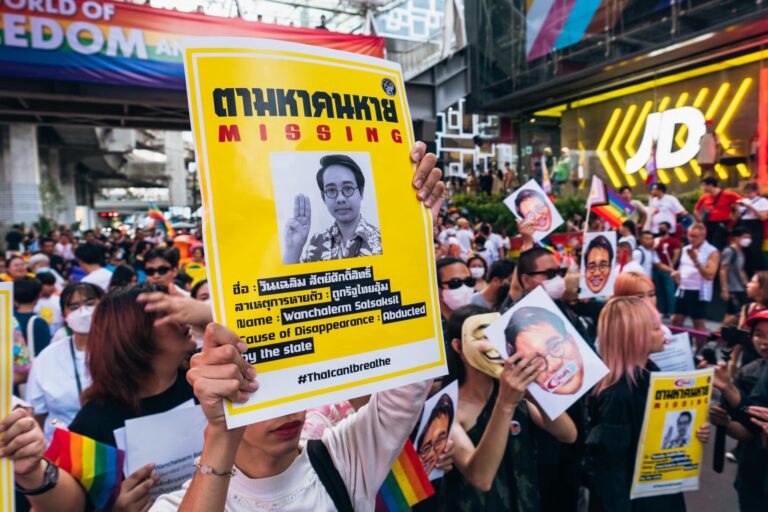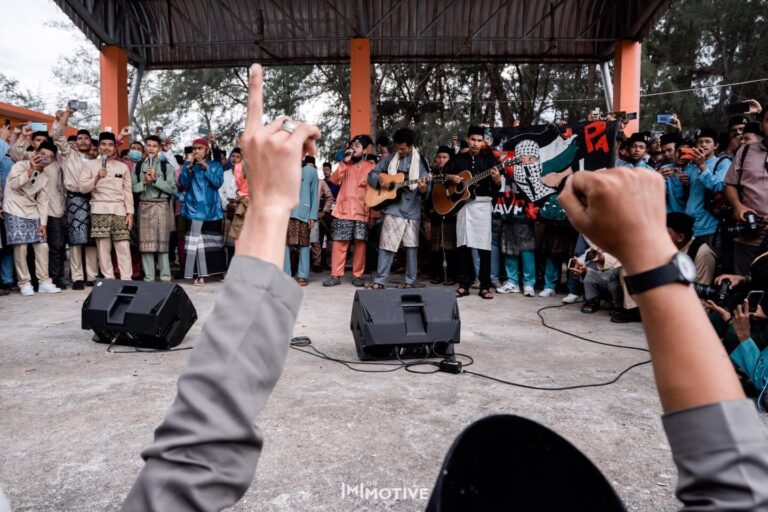
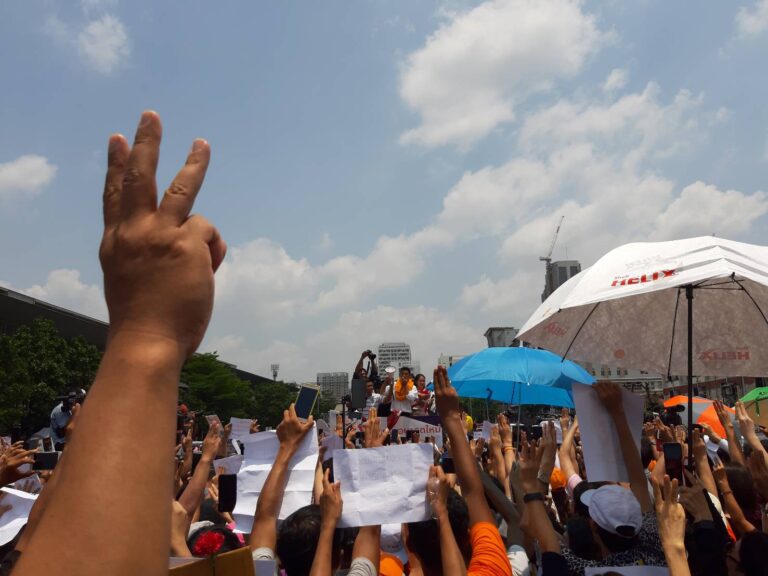
Overview: ICCPR protects basic human rights, including freedom from torture, arbitrary detention, and discrimination, and ensures the right to a fair trial, life, human dignity, equality, freedom of speech, religion, privacy, and family life.
- Para 2, Article 14 of the International Covenant for Civil and Political Rights (ICCPR)
Human rights are the foundation of dignity, justice, and peace in every society. Since the adoption of the Universal Declaration of Human Rights (UDHR) in 1948, the United Nations has developed a framework of nine core international human rights treaties that define and protect the rights of individuals across the globe. These treaties cover civil and political rights, economic and social rights, protection against discrimination, and safeguards for vulnerable groups including women, children, persons with disabilities, and victims of torture or enforced disappearance.
According to the UN Office of the High Commissioner for Human Rights (OHCHR), these treaties form a holistic and integrated system for promoting and protecting human rights worldwide. When a country ratifies a treaty, it commits to aligning its domestic laws and policies with international standards within that treaty, and to reporting regularly to independent UN committees known as treaty bodies.
As of 2025, Thailand has ratified 8 out of the 9 core treaties, demonstrating its formal commitment to upholding international human rights norms. However, ratification is only the first step;implementation, enforcement, and public awareness are equally vital.